
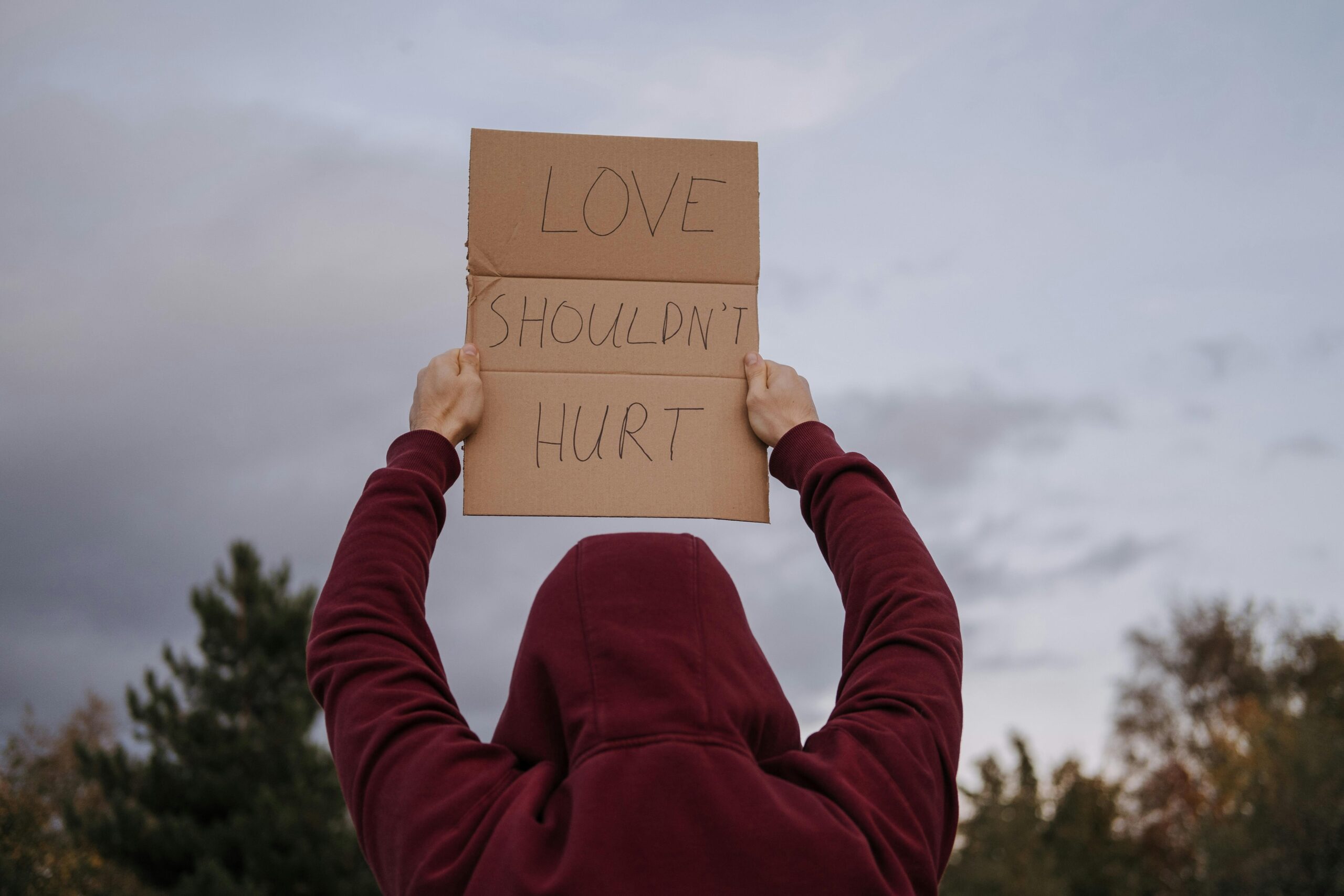
I’ve sat across from many survivors of domestic violence in my therapy room. Some have come in with visible bruises. Others walk in with perfect makeup, steady voices, and no outward signs of harm. But every single one of them carries pain, some of it written on their bodies, most of it buried in the mind.
I know this story intimately. Because I lived it, too.
It’s Not “Just” Physical
Physical abuse is often what people picture when they hear the words domestic violence. Hitting, pushing, choking, clear violations that leave marks. But what people don’t always see, and what survivors often struggle to name, is the mental and emotional warfare that often comes with it.
I remember the way he looked at me, not with love, but with disgust. I remember how I stopped trusting my memory because he’d insist things didn’t happen the way I said they did. The names, the threats, and the silent treatments. The way he’d twist my words until I believed I was the problem. I could feel the bruises, yes, but the words? They stayed much longer.
The Psychology of Control
Domestic violence isn’t about anger. It’s about control.
Abusers often use mental and emotional tactics to slowly break someone down. It starts subtly: isolating you from friends, questioning your decisions, making you doubt your worth. Over time, you don’t just feel hurt, you feel small. Confused. Dependent.
As a therapist, I often hear clients say things like:
- “It wasn’t that bad. He never hit me that hard.”
- “Maybe I provoked him.”
- “I should’ve known better.”
- “It’s my fault for staying.”
These statements aren’t weaknesses. They’re trauma speaking. They’re evidence of how mental and emotional abuse erodes a person’s sense of self. I know, because I used to say them, too.
Healing the Seen and Unseen
Survivors of domestic violence often ask me the same question: Will I ever be the same again?
The truth? You may not be the same, but you can become someone even stronger.
Healing is layered. With physical abuse, we address the trauma held in the body, whether through somatic work, EMDR, or trauma-informed therapy. With mental abuse, we challenge the lies you were told and help rebuild your internal voice.
Here’s what healing can look like:
- Learning that love isn’t supposed to hurt, confuse, or belittle you.
- Reclaiming your voice and trusting your instincts again.
- Building boundaries that protect your peace.
- Replacing self-blame with self-compassion.
- Realizing that the abuse says more about them than it ever did about you.
My Journey, And Why It Matters
I didn’t become a therapist just to hand out tools and strategies. I became a therapist because I needed those tools myself. I remember what it felt like to leave and wonder if I made a mistake. To feel ashamed. To fear what came next.
But now, years later, I can say this with full truth in my chest: leaving was the bravest thing I ever did. And healing? It’s been messy, non-linear, and at times exhausting, but it’s also been deeply freeing.
If You’re Reading This…
Maybe you’re still in it. Maybe you’ve left but still hear their voice in your head. Maybe you’re just now realizing that what you went through wasn’t love.
I want you to know: it wasn’t your fault. You are not broken. And you deserve safety, dignity, and peace, not just survival.
Healing is possible. And if you need someone to walk that road with you, whether as a therapist or someone who’s been there, I’m here.
You are worthy. You are not alone.