
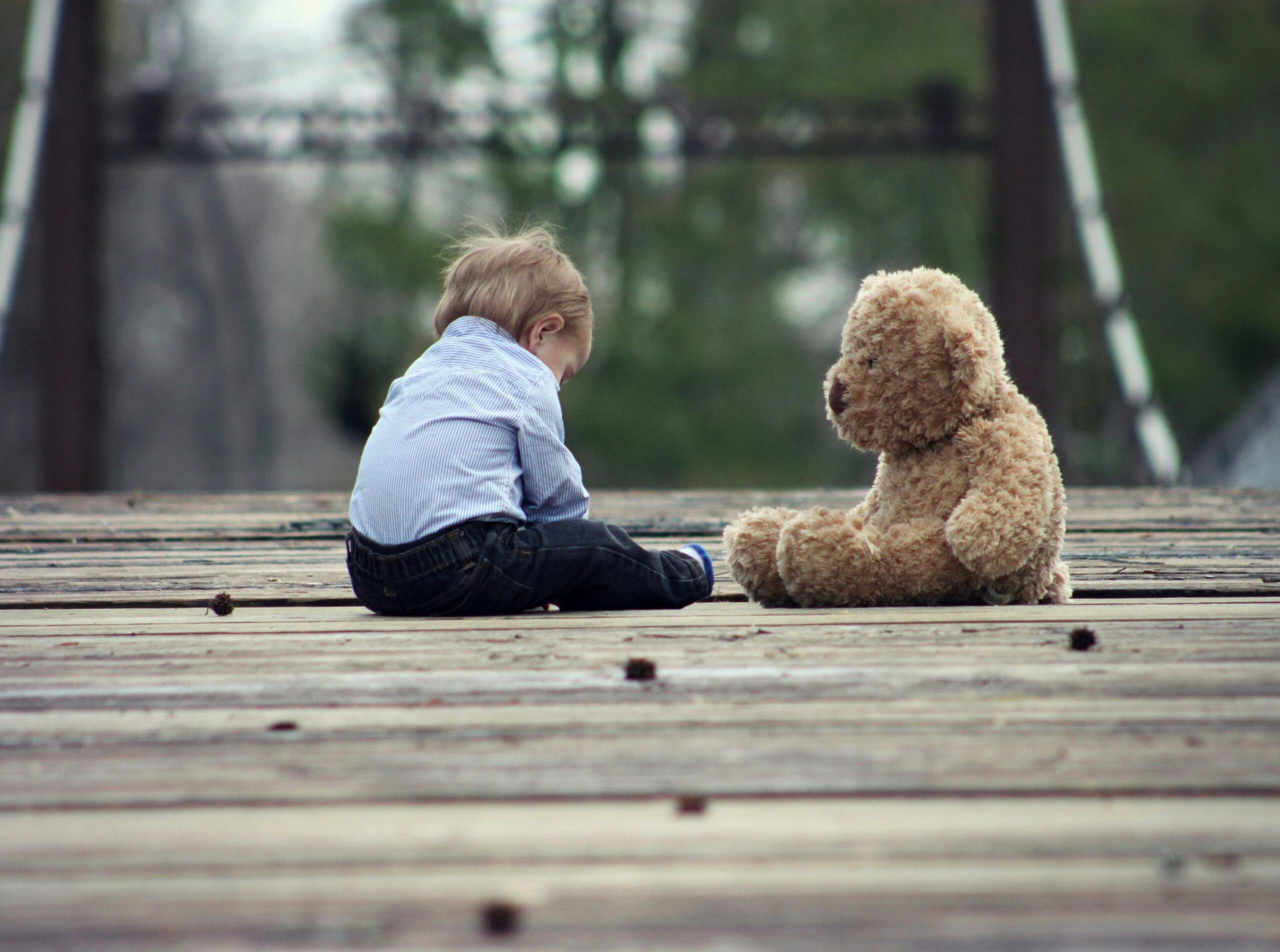
When we think of trauma, we often picture adults grappling with painful memories or distressing experiences. But children, too, experience trauma—from accidents, bullying, loss, medical procedures, natural disasters, or family disruptions. Thankfully, there’s a powerful therapeutic tool designed not just for adults but also for young minds: EMDR (Eye Movement Desensitization and Reprocessing).
What Is EMDR?
EMDR is a structured therapy that helps individuals process and heal from traumatic memories and distressing life experiences. It works by helping the brain “reprocess” those memories in a way that reduces their emotional intensity. For children, who may not always have the words to express what they feel, EMDR can be especially impactful.
How EMDR Helps Children
Children may show the effects of trauma through behavior—nightmares, anxiety, aggression, withdrawal, or academic struggles. EMDR offers a way to address these root causes without relying solely on verbal explanations. Instead, children use imagination, play, drawing, or storytelling alongside bilateral stimulation (such as tapping or visual cues like following a finger, pulsers or light bar with their eyes).
Key Benefits:
- Non-verbal processing: Children often struggle to verbalize trauma. EMDR allows healing to begin through body-based and sensory experiences.
- Engagement through play: Therapists incorporate EMDR techniques into games or activities that feel safe and age-appropriate.
- Faster resolution: EMDR can reduce distress in fewer sessions compared to traditional talk therapy for certain issues.
- Empowerment: Children learn to regulate emotions and develop resilience as they reprocess painful memories.
What Does a Session Look Like?
In an EMDR session with children, the therapist first ensures the child feels safe and stable. Rapport-building, coping skills, and relaxation techniques come first. Once readiness is established, the therapist may use a story, drawing, or metaphor to help the child identify the “target memory.”
For instance, a child afraid of dogs after a bite may recall the incident while engaging in bilateral stimulation—like tapping their knees alternately or following light movement. Over time, the fear response is desensitized, and the memory is reprocessed in a healthier, less reactive way.
EMDR Is Not Just for Severe Trauma
EMDR has been used effectively for children experiencing:
• Anxiety and phobias
• Nightmares and sleep problems
• Divorce or family changes
• Medical trauma
• Grief and loss
• School-related stress or bullying
Even everyday stressors can become stuck in a child’s nervous system. EMDR helps to unlock and integrate these experiences, promoting emotional wellness.
Final Thoughts
EMDR is a gentle yet powerful approach that meets children where they are developmentally. By transforming overwhelming memories into manageable stories, children not only heal but grow more confident and emotionally aware. As more therapists become trained in EMDR, it’s becoming a go-to method for helping children navigate life’s challenges with resilience.